Superior Roof Solutions From a Reputable Roofer
High-quality roofing services serve a crucial role in preserving a home's integrity. A reliable roofer brings experience and meticulous care, guaranteeing a sturdy roof that resists the elements. Homeowners often overlook the importance of choosing the right contractor. Understanding what to consider can make a significant impact. What elements truly characterize a dependable roofer, and how can they impact the longevity of your roof? The answers may astonish you.
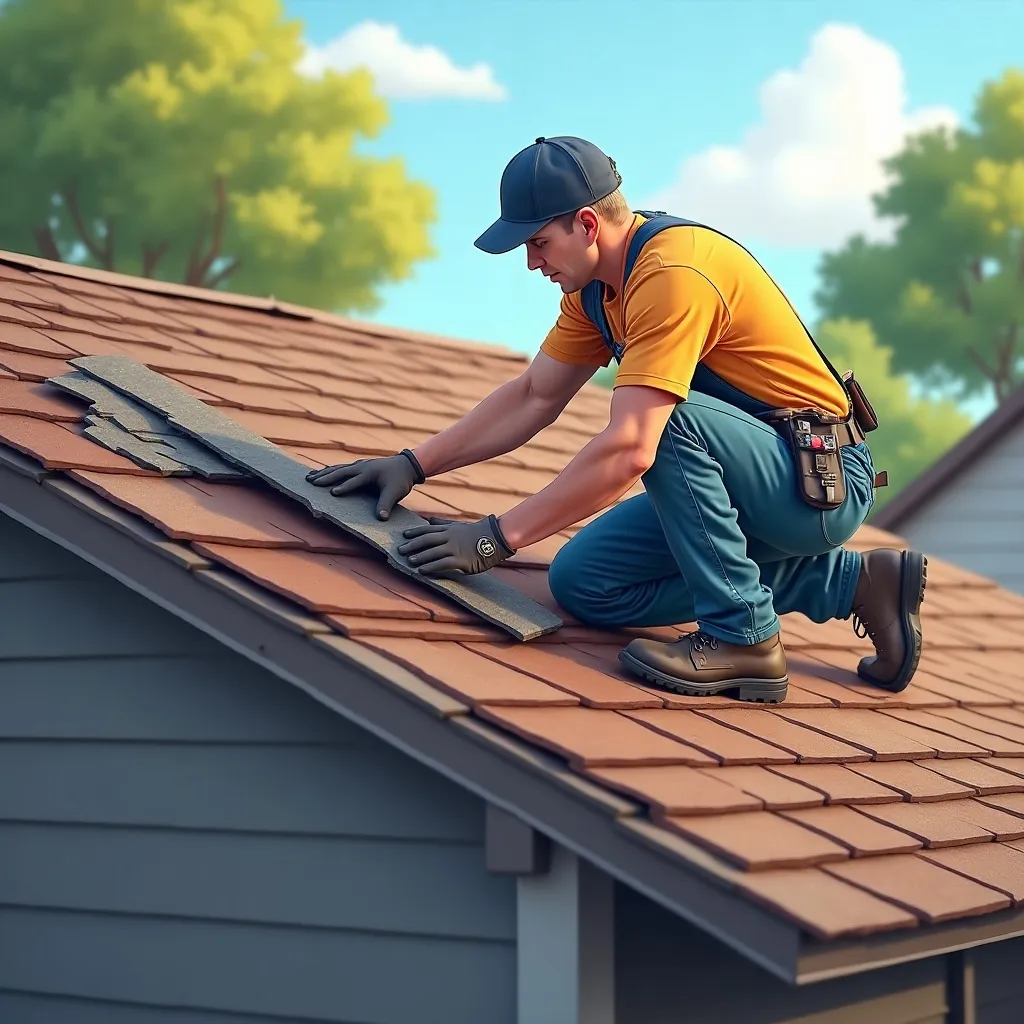
Vital Factors to Think About When Choosing Superior Roofing Offerings
When seeking premium roofing options, homeowners should emphasize several key factors to guarantee a robust and lasting installation. First, they should examine the contractor's experience and expertise in the roofing industry. A well-established company with a strong reputation is more likely to deliver high-quality workmanship. Next, it is vital to check customer reviews and feedback to determine overall satisfaction. Homeowners should also inquire about the materials used, as high-quality materials contribute considerably to the longevity of a roof. Licensing and insurance are vital; reputable contractors carry liability insurance and are adequately licensed to operate in the area. Finally, securing multiple quotes allows homeowners to compare pricing and services, ensuring they obtain fair value. By emphasizing these factors, homeowners can make informed decisions when selecting quality roofing services that meet their needs.
Why a Dependable Roofer Is Necessary
A trusted roofer serves as an crucial part in guaranteeing the longevity and effectiveness of a roof structure. With dependable workmanship guarantees, property owners can have peace of mind knowing their property is protected. Additionally, a dedication to quality materials further enhances the longevity and functionality of the roof.
Dependable Craftsmanship Assurance
Selecting a reputable roofer is crucial, as their dependability directly impacts the quality of workmanship and the durability of a roof. A reliable workmanship guarantee ensures resource homeowners that the job will be completed to the highest standards. This commitment reflects the roofer's confidence in their abilities and the techniques they employ. When a roofer provides such a guarantee, it indicates a dedication to workmanship and responsibility, reducing the chance of future issues. Homeowners can feel secure knowing that if problems arise, they can depend on the roofer to address them quickly. Ultimately, choosing a roofer who stands behind their work creates confidence and assures a roof that will endure the test of time.
Premium Materials Quality Control
Quality components assurance plays a important role in roofing projects, since the roof’s durability and functionality mostly depend on the materials used. Trusted roofers give priority to high-grade materials, assuring that clients receive products that resist inclement weather and stand the test of time. These specialists have established ties with trusted suppliers, allowing them to obtain premium materials that satisfy industry standards. Furthermore, a trusted roofer recognizes the unique demands of various roofing systems, providing specialized solutions that reinforce structural integrity. By choosing a roofer who values quality materials assurance, homeowners can avoid excessive future repair costs and guarantee lasting protection for their properties. Ultimately, this focus on quality generates trust and satisfaction among clients, enhancing the roofer’s reputation in the industry.
What indicators show that a roofing professional is dependable?
In what manner can homeowners assess a roofer's reliability? To gauge a roofer's trustworthiness, property owners should begin by checking for proper licensing and coverage. A reliable roofer will possess the required licenses, which vary by state, ensuring adherence with local requirements. Insurance is just as important, as it protects homeowners from conceivable exposures during the roofing process.
Next, looking for references and checking online reviews can offer understanding into the roofer's past performance. A reputable contractor will readily share feedback from satisfied clients. Homeowners should also ask regarding warranties on both materials and labor, as these guarantees demonstrate the roofer's confidence in their work.
Finally, securing various bids can support homeowners gauge pricing and work offered. A reputable roofer will provide a extensive proposal, clearly outlining the work scope and related costs, facilitating informed choices.
Leading Roofing Solutions: Categories of Materials and Their Advantages
Roofing materials play an key role in the overall performance and longevity of a home. Various types of roofing supplies are available, each delivering unique benefits tailored to specific needs. Asphalt shingles are widely used for their affordability and ease of installation, providing consistent protection against the elements. Metal roofing is recognized for its durability and energy efficiency, often lasting traditional materials. Clay and concrete tiles grant a distinctive aesthetic and excellent thermal performance, making them suitable for warmer climates.
Wood wooden shakes and shingles, while needing more maintenance, provide a natural look and excellent thermal protection. Additionally, man-made materials, such as composite or rubber shingles, blend the look of conventional choices with enhanced longevity and lower upkeep needs. Each option offers distinct benefits, enabling homeowners to choose based on cost, climate, and desired aesthetics, ultimately adding to the home's integrity and value.
Why Proper Setup Procedures Secure Roof Durability
Ensuring a roof is installed correctly is vital for its long-term durability and optimal function. Proper installation techniques demand thorough attention to every detail, encompassing accurate measurements, proper material selection, and the use of high-quality fasteners. Each part, from underlayment to shingles, must be aligned and secured according to manufacturer specifications and industry standards.
When installation is executed correctly, it reduces the likelihood of leaks, wind damage, and other structural problems that could compromise the roof's integrity. Additionally, correct ventilation and insulation play an important role in preventing moisture accumulation, which can result in mildew and deterioration over time. Investing in experienced roofing contractors who prioritize proper techniques not only improves the roof's lifespan but also offers peace of mind for property owners. Ultimately, a properly installed roof serves as a strong protective barrier, ensuring long-term protection against the elements and protecting the underlying structure.
Recognizing Frequent Roofing Issues and Their Solutions
Frequent roofing problems can significantly affect a home's stability. Leaks are among the most common issues and may result from damaged shingles, incorrect flashing, or worn sealants. Early detection of these leaks is crucial since they can cause severe water damage if neglected. Another usual concern is moss and algae growth, which can harm the roof's materials and appearance. Consistent surface cleaning can help control this issue.
Additionally, broken or missing shingles indicate wear and tear, often requiring renewal to keep protection against the elements. Poor ventilation can also lead to an accumulation of heat, causing premature aging of roofing materials. Homeowners are encouraged to carry out regular inspections and engage professional roofers for solutions tailored to specific issues. Early detection and fixing of these common problems can substantially increase a roof's lifespan and safeguard the home's overall structure.
Instructions to Protect Your Roof for Extended Durability
Protecting a roof involves consistent monitoring to recognize issues before they become problematic. Timely repairs are critical in preserving durability of roof coverings and preventing costly damage. By focusing on these techniques, homeowners can maintain their roofs remain in superior condition for the long term.
Routine Assessments Matter
Regular inspections are crucial in prolonging the lifespan of a roof. By discovering potential concerns early, homeowners can avoid minor issues from turning into significant damage. A detailed inspection usually covers checking for missing shingles, inspecting flashing durability, and reviewing gutters for debris accumulation. Such assessments enable prompt interventions, guaranteeing the roof stays watertight and structurally secure. Furthermore, seasonal inspections can help adjust maintenance strategies based on fluctuating weather conditions, which may impact roof performance. Setting up a consistent inspection schedule, preferably biannually, enables homeowners to stay ahead with roof maintenance. Such diligence not only improves roof durability but also contributes to the property's overall value, making it a wise investment.
Timely Repairs Required
Attending to roof issues promptly is indispensable for strengthening longevity and performance. Delaying repairs can lead to more extensive damage, multiplying repair costs, and potentially compromising the structural integrity of a home. Small leaks, for example, can quickly develop into significant problems if not treated swiftly. Homeowners should regularly review their roofs for signs of wear, such as missing shingles, water stains, or granule loss. Engaging a professional roofer for timely assessments and repairs can prevent minor issues from converting into major headaches. Additionally, maintaining an open line of communication with a trusted roofing service guarantees that any concerns are addressed before they escalate. Proactive maintenance ultimately preserves the roof's lifespan and protects the overall investment in the home.
Frequently Asked Questions
What Timeframe Can You Expect for a Standard Roofing Project?
A typical roofing project typically takes 1-2 weeks to finish, depending on various factors such as the roof size, type of material, climatic factors, and any unexpected issues that may occur during the process.
What Warranties Are Offered on Roofing Services?
Warranties on roofing services typically cover workmanship warranties ranging from one to ten years and material warranties lasting up to 50 years. The details often depend on the roofing materials used and the service provider's terms.
Is a License required for Roofing Work?
Yes, a license is commonly required for roof work, depending on local requirements and the scope of the job. Owners should check with their local authorities to confirm compliance with necessary building codes and permits.
What Steps Should I Take to Ready My Home for Roofing Installation?
To get ready a home for roof installation, one should remove debris from around the property, take away outdoor furniture, keep pets inside safely, and ensure easy passage to the roofing area for workers and materials.
What Choices Do I Have if My Roof Leaks After Installation?
In the event a roof has leaks after setup, the homeowner must promptly reach out to the roofing contractor for review. Capture photos of the issue, and guarantee all exchange is clear to facilitate timely repairs and prevent further damage.